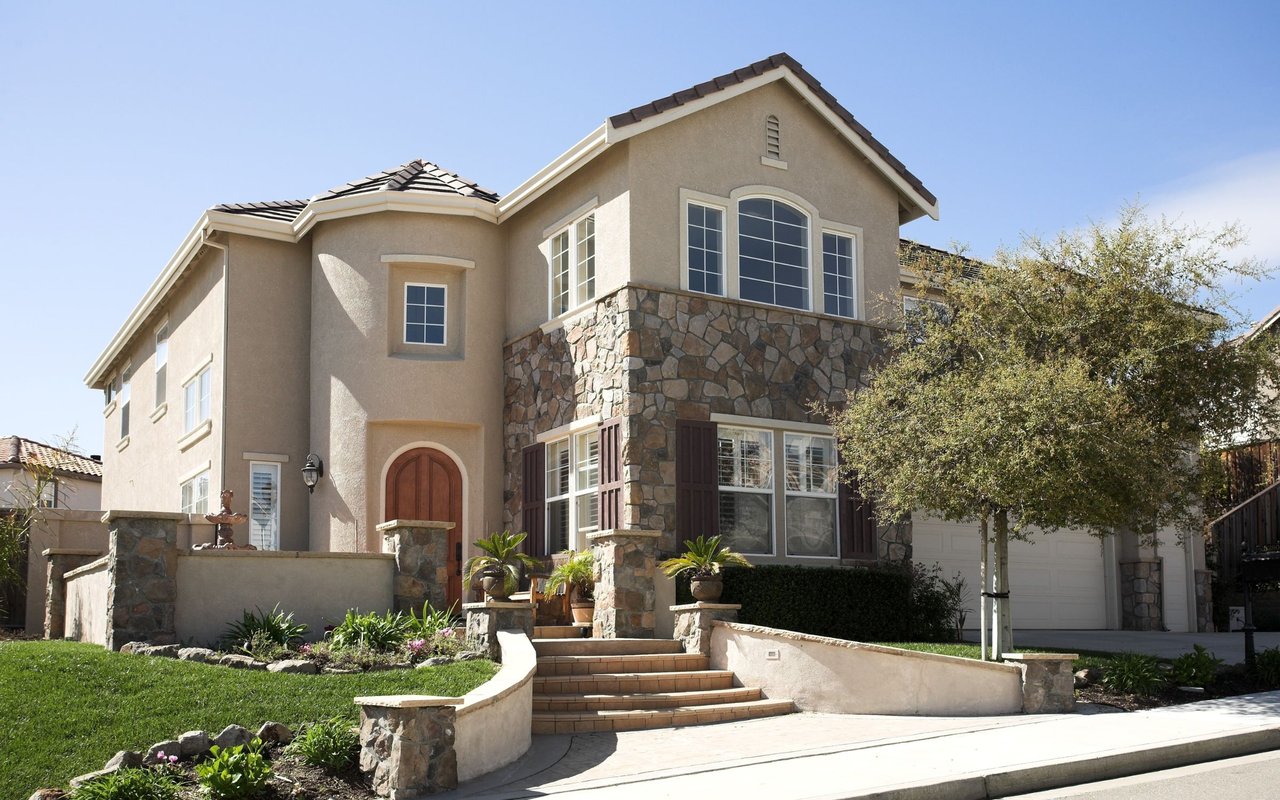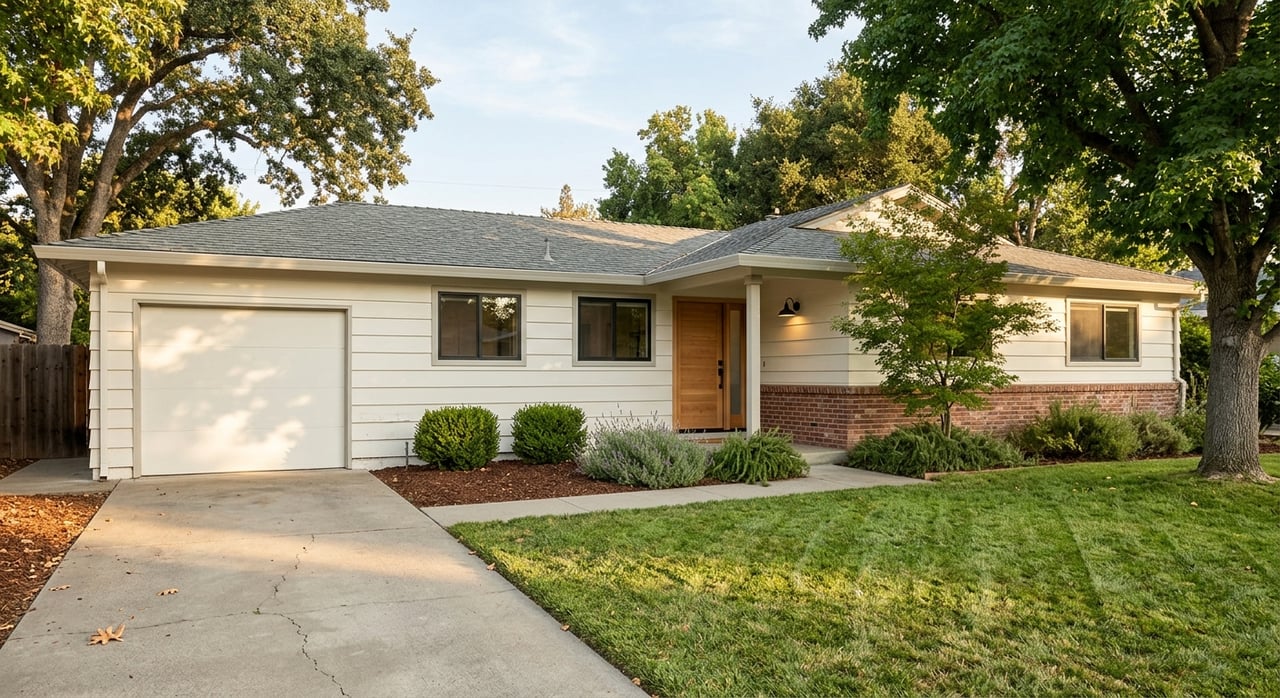
Are you drawn to the charm of an older home, or do you picture yourself in a newer neighborhood with trails, parks, and modern floor plans? In Vacaville, you do not have to choose from just one type of housing story. The city blends a historic core with established neighborhoods and a growing pipeline of newer communities, which gives you more ways to match your home to your lifestyle. If you are trying to decide where to focus your search, this guide will help you compare Vacaville neighborhood styles and what each one may offer. Let’s dive in.
Vacaville offers two distinct feels
Vacaville has deep roots and ongoing growth. The township was recorded in 1851, the city incorporated in 1892, and the city’s General Plan guides growth through 2035. Specific plans help shape how certain areas and project sites develop over time.
That mix matters when you are house hunting. On one end, you have Downtown and older central areas that reflect Vacaville’s history. On the other, you have newer planned communities that were designed around current housing demand, open space, and more standardized layouts.
Historic homes near Downtown
If you love character, the clearest historic core is Downtown Vacaville. The city’s Downtown Specific Plan is meant to strengthen Downtown as the heart of the city while building on its historic charm, pedestrian-scaled Main Street, and location near Andrews Park and Ulatis Creek.
The Downtown Historic Preservation District Overlay applies to the Main Street Vacaville Historic District and requires design review for exterior changes. In practical terms, that means this area has an added layer of oversight intended to preserve its historic appearance.
Where the historic core is
The historic district is generally bounded by the alleys north and south of Main Street from Parker Street to the Old Town Hall building, with a short segment of Merchant Street also included. If your goal is to be close to the older heart of Vacaville, this is the key area to know.
For many buyers, this part of town stands out because of its smaller-scale blocks and established setting. It can feel different from newer subdivisions, especially if you value proximity to Downtown destinations and an older neighborhood pattern.
What older neighborhoods may offer
Citywide, most housing was built after 1970, and about 70% of Vacaville’s housing stock was built before 1990. That broad age mix helps explain why many central-city neighborhoods feel more established than newer growth areas.
If you are considering an older home or an established area, you may find features like:
- More mature streetscapes
- Traditional lot patterns
- Homes with individual character
- Opportunities to update or personalize over time
- Closer access to Downtown amenities in some areas
Older homes can be a great fit if you like charm and do not mind thinking through maintenance, updates, or renovation priorities as part of your budget.
Newer homes in planned communities
If your wish list leans toward modern layouts and newer construction, Vacaville has several adopted specific plan areas and growth corridors where newer housing is concentrated. The city’s adopted specific plans include Lower Lagoon Valley, Brighton Landing, North Village, Roberts Ranch, Vanden Meadows, The Farm at Alamo Creek, Downtown, and Greentree.
The General Plan also identifies the East of Leisure Town Road Growth Area and the Northeast Growth Area as future planning areas. That tells you something important as a buyer: Vacaville is not done growing.
Southeast and east-side newer neighborhoods
Several newer communities on the southeast and east sides show the detached-home pattern many buyers look for. These areas were planned with neighborhood features beyond just homes.
Here is a quick snapshot:
| Community | Planned housing and features |
|---|---|
| Brighton Landing | 767 detached single-family homes, plus school and park parcels |
| Vanden Meadows | 780 single-family units, neighborhood park, school parcel, and trails |
| Roberts’ Ranch | 785 single-family homes, stroller parks, school parcel, open space, and trails |
| The Farm at Alamo Creek | 562 detached single-family homes, 184 duet homes, parks, neighborhood commercial space, open space, and trails |
For many buyers, these neighborhoods appeal because the planning often includes open space, connected paths, and a more uniform neighborhood layout.
North and west-side newer options
Newer Vacaville is not only about detached suburban homes. Some master-planned areas include a broader housing mix and mixed-use elements.
Lower Lagoon Valley is planned as a 1,025-home master-planned community with an integrated golf course, clubhouse, business village, town center, and a variety of housing types. North Village is a mixed-use master plan with residential, commercial, business park, college, school, park, and open-space uses.
Greentree adds another layer to the conversation. It includes higher-density housing, detached senior housing, and garden-style apartments with parks, trails, and open space. That variety can matter if you want options beyond a traditional single-family subdivision.
Contemporary design in newer phases
If style matters as much as age, Montessa is a helpful example of newer design language in Vacaville. The city’s approved house plans there include single-story and two-story options with Mid-Century Modern, Modern Prairie, and Modern Farmhouse themes.
Lot sizes there range from 6,500 to 21,125 square feet. For buyers who want a more current architectural look, this shows how some of Vacaville’s newer housing is being shaped with a more contemporary feel.
What is still being built in Vacaville
Vacaville’s planning pipeline is active, which is useful to know if you want a brand-new home or prefer to buy in an area with future phases ahead. In its 2024 General Plan Annual Progress Report, the city said the East of Leisure Town Specific Plan area is being guided toward roughly 5,000 new units and missing-middle housing.
The city also adopted code changes requiring new subdivisions over 5 acres to include duplexes, triplexes, and or fourplexes. That points to a broader mix of housing types in future development.
The larger growth areas are significant in scale. The East of Leisure Town and Northeast Growth Areas total 1,317 acres and 1,400 acres respectively, and the city expects annexations and new specific plans as these areas build out.
How to choose the right neighborhood style
The best fit usually comes down to how you want to live day to day. Home age is only one part of the decision.
Historic and established areas may appeal to you if you value character, an older neighborhood pattern, and being closer to Downtown. Newer master-planned areas may be a better match if you want parks, trails, newer layouts, and communities built around planned amenities.
Questions to ask yourself
As you compare neighborhoods in Vacaville, it helps to ask:
- Do you want historic character or newer finishes?
- Are you comfortable planning for updates and maintenance?
- Do you want to be near Downtown, or do you prefer a newer planned setting?
- How important are trails, parks, and open space in your daily routine?
- Are you looking only at single-family homes, or do you want a wider range of housing types?
- Do you want a home in a fully established area or a community still growing?
These questions can narrow your search much faster than looking at square footage alone.
Budget matters too
Style and setting are important, but your budget still needs to work with your goals. Recent citywide data show a median owner-occupied value of $620,900, a median rent of $2,299, a 67.5% owner-occupied rate, and a mean commute of 28.2 minutes.
Those numbers are citywide, not neighborhood-specific, but they can help you think through the bigger picture. For example, an older home may offer character and location, while a newer home may offer a different maintenance profile and layout. The right choice depends on your budget, commute needs, and how much project work you want to take on.
Why local guidance helps in Vacaville
Vacaville is the kind of market where broad labels like old or new only tell part of the story. The city is preserving its Downtown core, building out multiple specific plan areas, and preparing for future growth at the same time.
That means your best option may not be the most obvious one online. A steady local guide can help you compare neighborhood feel, housing style, future development context, and the tradeoffs that matter most to you.
Whether you are buying your first home, moving up, downsizing, or planning a move around a changing timeline, having a clear plan makes the process easier. If you want help sorting through Vacaville’s historic areas, established neighborhoods, and newer communities, connect with Lynn Farris for practical, local guidance.
FAQs
Where is the historic core in Vacaville?
- Vacaville’s clearest historic core is Downtown, especially the Main Street Vacaville Historic District area, generally bounded by the alleys north and south of Main Street from Parker Street to the Old Town Hall building, with a short segment of Merchant Street included.
Which Vacaville areas have newer homes?
- Newer homes are concentrated in adopted specific plan areas and growth corridors, including communities such as Brighton Landing, Vanden Meadows, Roberts’ Ranch, The Farm at Alamo Creek, Lower Lagoon Valley, North Village, Greentree, and Montessa.
Are new neighborhoods still being built in Vacaville?
- Yes. Vacaville continues to plan for future housing, including the East of Leisure Town Specific Plan area, which is being guided toward roughly 5,000 new units, along with long-term growth in the East of Leisure Town and Northeast Growth Areas.
What kinds of homes are appearing in newer Vacaville communities?
- Newer communities include detached single-family homes, duet homes, higher-density housing, detached senior housing, and garden-style apartments, depending on the specific plan area.
How do older and newer Vacaville neighborhoods differ?
- Older and established areas often appeal to buyers who want character, a more traditional neighborhood pattern, and proximity to Downtown, while newer master-planned areas often appeal to buyers looking for modern layouts, parks, trails, open space, and a broader mix of planned amenities.
What is the citywide housing picture in Vacaville?
- Citywide data show that most housing was built after 1970, about 70% of the housing stock was built before 1990, the median owner-occupied value is $620,900, the median rent is $2,299, and the mean commute is 28.2 minutes.